Sage roasted butternut squash serves as a refined, nutrient-dense side dish that highlights the natural sweetness of autumn produce. This preparation relies on high-heat roasting to caramelize the edges while infusing the flesh with earthy aromatics. It provides a reliable, plant-forward addition to family meals or holiday tables, requiring minimal effort to achieve impressive results.
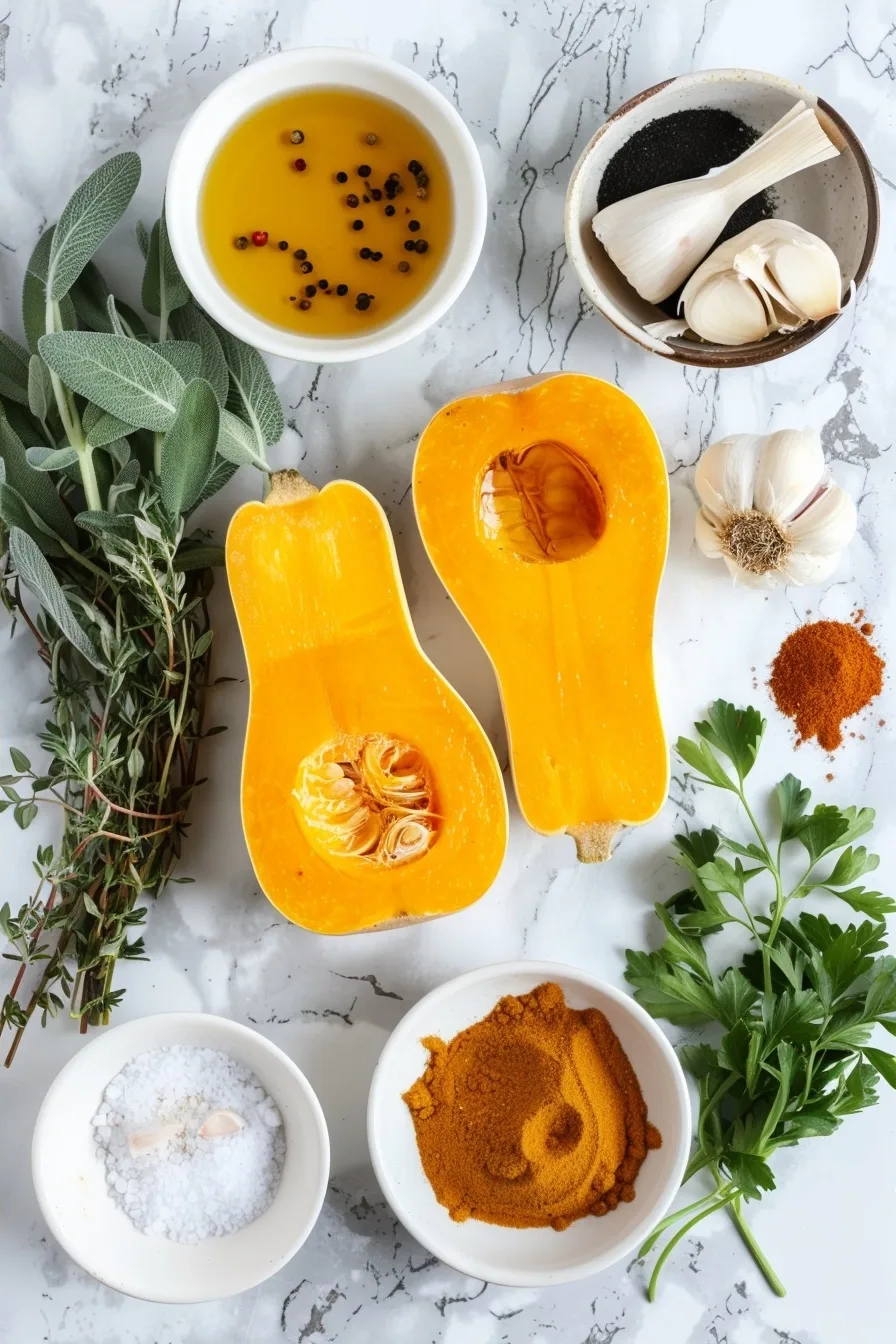
| Prep Time | Cook Time | Total Time | Servings | Difficulty | Cuisine |
|---|---|---|---|---|---|
| 15 minutes | 35 minutes | 50 minutes | 4 servings | Easy | Modern American |
Why This Recipe Delivers Results
This dish succeeds because it balances the intense natural sugar of the squash with savory garlic and the pine-like essence of fresh sage. High-heat roasting draws moisture out of the vegetable, which concentrates the flavor and creates a crisp, golden-brown crust that standard steaming cannot replicate.
Consistency remains the hallmark of this method. By cubing the squash into uniform pieces, you ensure that every portion cooks at the same rate, preventing mushy or undercooked sections. The addition of maple syrup acts as a catalyst for browning, providing a subtle depth that pairs perfectly with the woody, fragrant notes of fresh herbs.
Ingredients Breakdown
| Ingredient | Quantity | Notes or Swaps |
|---|---|---|
| Butternut Squash | 1 large (approx. 2 lbs) | Peel and cut into 1-inch cubes |
| Olive Oil | 3 tablespoons | Use high-quality extra virgin |
| Fresh Sage | 10 leaves | Finely chopped or kept whole |
| Maple Syrup | 1 tablespoon | Pure grade A recommended |
| Garlic | 3 cloves | Minced finely |
| Smoked Paprika | 1/2 teaspoon | Adds a subtle campfire depth |
| Sea Salt | 1 teaspoon | Adjust to personal preference |
| Black Pepper | 1/2 teaspoon | Freshly cracked is best |
Step-by-Step Method
Preparation Phase
- Preheat your oven to 400 degrees Fahrenheit to ensure proper caramelization.
- Peel the butternut squash using a sturdy vegetable peeler until the bright orange flesh appears.
- Remove the seeds and fibrous strands from the center cavity using a large metal spoon.
- Slice the squash into 1-inch uniform cubes to guarantee even heat distribution.
Cooking Phase
- Place the cubed squash into a large mixing bowl for seasoning.
- Drizzle the olive oil and maple syrup over the cubes, tossing to coat every piece evenly.
- Add the minced garlic, salt, pepper, and smoked paprika, ensuring the spices distribute without clumping.
- Spread the seasoned squash onto a heavy-duty baking sheet in a single layer to prevent steaming.
- Tuck the fresh sage leaves in between the squash pieces or scatter them on top for a crisp texture.
- Roast for 35 to 40 minutes, flipping the cubes halfway through, until the edges are golden and the centers are tender.
Practical Tips for Best Outcome
- Ensure the oven is fully preheated before placing the tray inside for an immediate sear.
- Avoid overcrowding the pan, as this causes the squash to steam rather than roast.
- Use parchment paper on your baking sheet to simplify cleanup and prevent sticking.
- Check the doneness by piercing a cube with a fork, which should slide in with zero resistance.
- Let the dish rest for five minutes after removing it from the oven to allow juices to stabilize.
Mistakes to Watch For
- Uneven cubing leads to inconsistent textures, where some pieces burn while others remain raw.
- Using a crowded pan results in soggy squash; use two baking sheets if necessary to maintain space.
- Adding the garlic too early can lead to bitterness; ensure it is tossed with enough oil to protect it from direct heat.
- Ignoring the flip mid-way through prevents the bottom side from achieving that signature golden-brown color.
Substitutions and Variations
| Ingredient | Alternative | Effect on Result |
|---|---|---|
| Maple Syrup | Agave Nectar | Less complex flavor profile |
| Sage | Fresh Thyme | Provides a brighter, citrusy note |
| Smoked Paprika | Ground Cinnamon | Enhances the natural sweetness of the squash |
| Olive Oil | Avocado Oil | Higher smoke point for intense heat |
Serving Ideas and Pairings
Serve this dish as a warm foundation for a grain bowl featuring quinoa, toasted pecans, and pomegranate seeds. It also works beautifully alongside roasted poultry or savory lentil loafs. For a festive touch, drizzle with a balsamic reduction just before serving to add a tangy contrast to the rich, caramelized squash.
Storage and Reheating Guide
| Method | Duration | Instructions |
|---|---|---|
| Refrigerator | 3-4 days | Store in an airtight container once completely cooled. |
| Oven Reheat | 10 minutes | Spread on a baking sheet at 350 degrees until warmed through. |
| Microwave | 1-2 minutes | Use medium power to prevent the squash from drying out. |
Nutrition Overview
| Nutrient | Amount per Serving |
|---|---|
| Calories | 145 |
| Protein | 2g |
| Fat | 10g |
| Carbohydrates | 18g |
| Fiber | 4g |
Approximate values per serving based on standard recipe yield.
Common Questions
Can I prepare this ahead of time?
Yes, you can peel and cube the squash up to 24 hours in advance and store it in the refrigerator. However, do not toss with oil or seasonings until right before you are ready to roast to maintain the best flavor and texture.
How do I know when the squash is perfectly done?
The squash is done when the edges are deep golden brown and the center is completely fork-tender. A light char on the corners is desirable, as it indicates caramelization of the natural sugars.
Is there a substitute if I don’t like sage?
You can substitute fresh thyme or rosemary for a different aromatic experience that remains earthy. Thyme works exceptionally well with butternut squash, providing a lighter, slightly floral note compared to the robust flavor of sage.
Why did my squash turn out mushy?
Mushy squash is usually a sign of overcrowding on the baking sheet or adding too much moisture during the roasting process. Use a large enough pan and ensure there is ample air circulation between the cubes for the best result.
Can I freeze the roasted squash?
You can freeze roasted squash, though the texture will be softer upon thawing. It is best used for blending into soups or sauces rather than serving as a stand-alone side dish after freezing.
Mastering the art of sage roasted butternut squash brings a reliable and delicious vegetable side dish to your culinary repertoire. By focusing on uniform cuts and proper heat, you transform simple ingredients into a sophisticated experience. Whether incorporated into a holiday feast or a quick weeknight dinner, this recipe provides essential nutrients and satisfying flavors. Follow these techniques to elevate your seasonal cooking and enjoy the natural bounty of high-quality, perfectly roasted squash.
Print
Sage Roasted Butternut Squash
- Total Time: 50
- Yield: 4 servings 1x
- Diet: Vegan
Description
This refined, nutrient-dense side dish highlights the natural sweetness of butternut squash. Through high-heat roasting, the edges caramelize into a golden-brown crust while the flesh absorbs earthy notes of fresh sage and the subtle depth of smoked paprika. It is a reliable, plant-forward addition to any family meal or holiday table, delivering impressive results with minimal effort.
Ingredients
1 large butternut squash (approx. 2 lbs), peeled and cut into 1-inch cubes
3 tablespoons extra virgin olive oil
10 fresh sage leaves, finely chopped
1 tablespoon pure maple syrup
3 cloves garlic, minced
1/2 teaspoon smoked paprika
1 teaspoon sea salt
1/2 teaspoon freshly cracked black pepper
Instructions
Preheat your oven to 400°F.
Peel the squash, remove the seeds, and slice into 1-inch uniform cubes.
Place the cubes in a large mixing bowl.
Drizzle with olive oil and maple syrup, then toss to coat evenly.
Add minced garlic, salt, pepper, and smoked paprika, mixing until well distributed.
Spread the squash in a single layer on a large rimmed baking sheet.
Roast for 35 minutes, tossing halfway through, until the squash is tender and edges are caramelized.
Sprinkle with fresh sage before serving.
Notes
Ensure the squash cubes are uniform in size to guarantee even cooking. The squash can be stored in an airtight container in the refrigerator for up to 3 days.
- Prep Time: 15
- Cook Time: 35
- Category: Dinner
- Method: Roasting
- Cuisine: Modern American
Nutrition
- Serving Size: 1 cup
- Calories: 165
- Sugar: 8g
- Sodium: 600mg
- Fat: 10g
- Saturated Fat: 1.5g
- Carbohydrates: 21g
- Fiber: 4g
- Protein: 2g
- Cholesterol: 0mg